
 10 episodesThe Last Dance2020 · ★ 8.3
DocumentaryArea: documentary series on nature, space, science and history, from Planet Earth, Cosmos and Blue Planet II to Prehistoric Planet, The Last Dance and Chef's Table, and where to watch them
156 series and 1,580 episodes, each with its episode list, its narrator and a Watch now button.
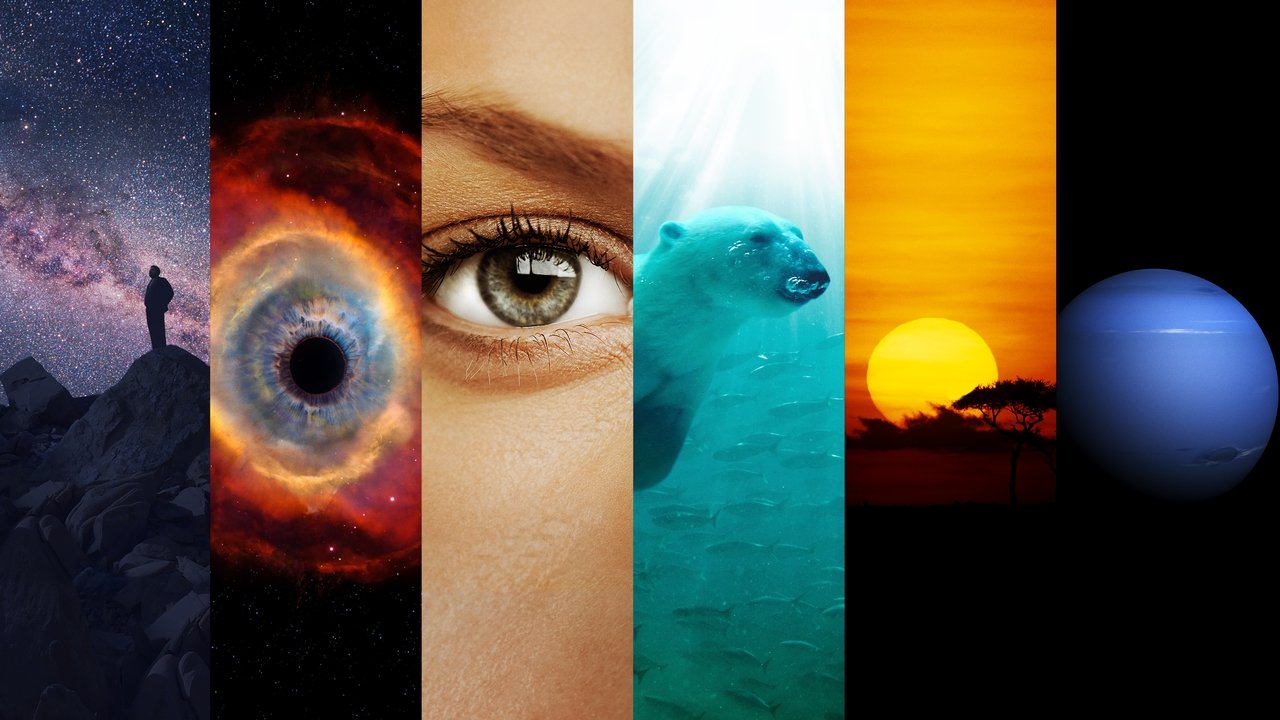
Cosmos
Famed astrophysicist Neil deGrasse Tyson provides clarity for the vision of the cosmos as he voyages across the universe with never-before-told stories that delve into the scientific concepts of the laws of gravity and the origins of space and time.
2014 · 26 episodes · ★ 8.5Most watched
See all (156)10 episodesThe Last Dance2020 · ★ 8.3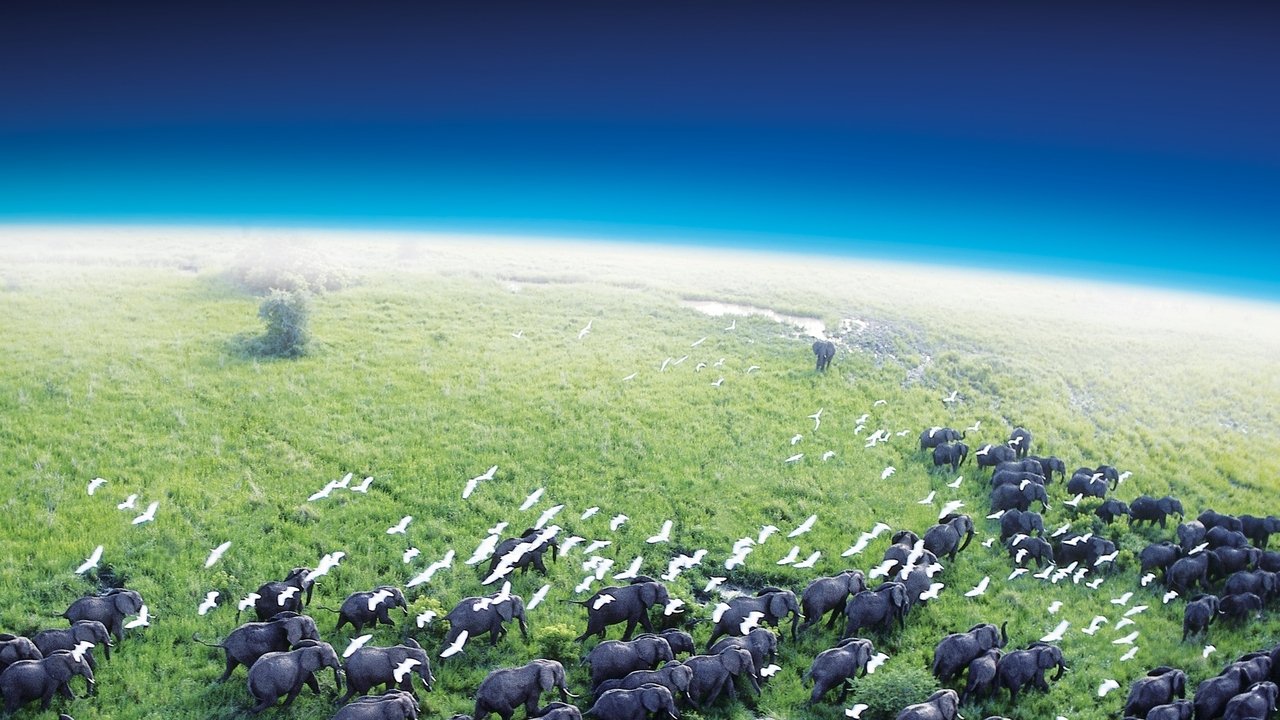 11 episodesPlanet Earth2006 · ★ 8.6
 6 episodesPlanet Earth II2016 · ★ 8.6
 15 episodesPrehistoric Planet2022 · ★ 8.3
 12 episodesOur Planet2019 · ★ 8.5
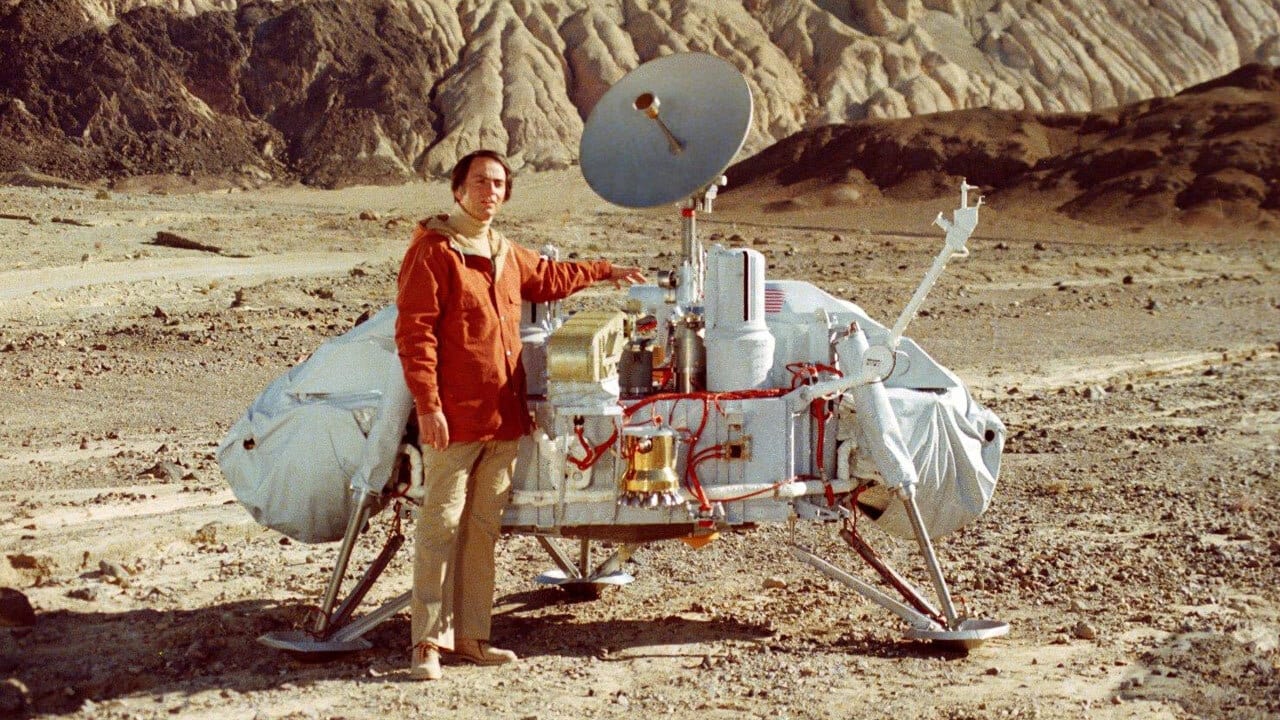 13 episodesCosmos: A Personal Voyage1980 · ★ 8.7
 6 episodesWelcome to Earth2021 · ★ 7.6
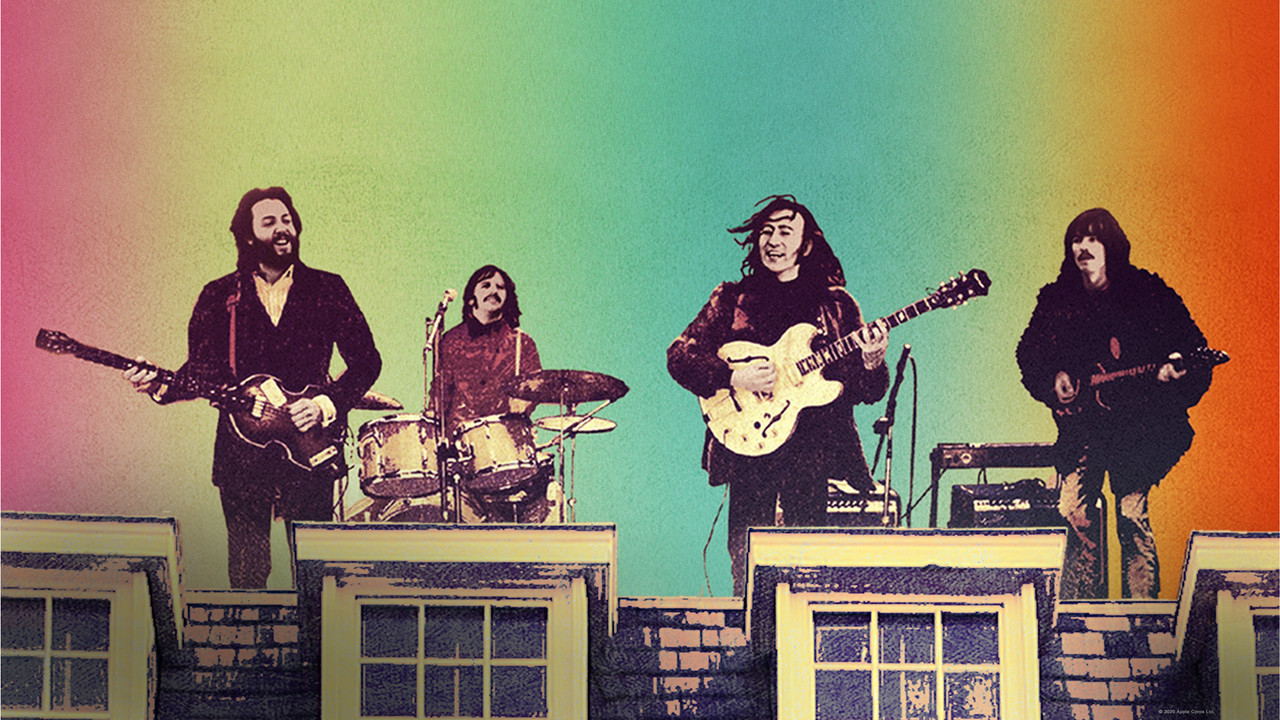 3 episodesThe Beatles: Get Back2021 · ★ 8.4
Nature
See all (61) 10 episodes
 8 episodes
 7 episodes
 7 episodes
 6 episodes
 8 episodes
 12 episodes
 8 episodes
Oceans and ice
See all (12) 6 episodes
 6 episodes
 3 episodes
 5 episodes
 55 episodes
 3 episodes
Dinosaurs and prehistory
See all (9) 8 episodes
 6 episodes
 6 episodes
 6 episodes
 6 episodes
 2 episodes
Space
See all (10) 4 episodes
 10 episodes
 4 episodes
 6 episodes
 5 episodes
 5 episodes
Science
See all (15)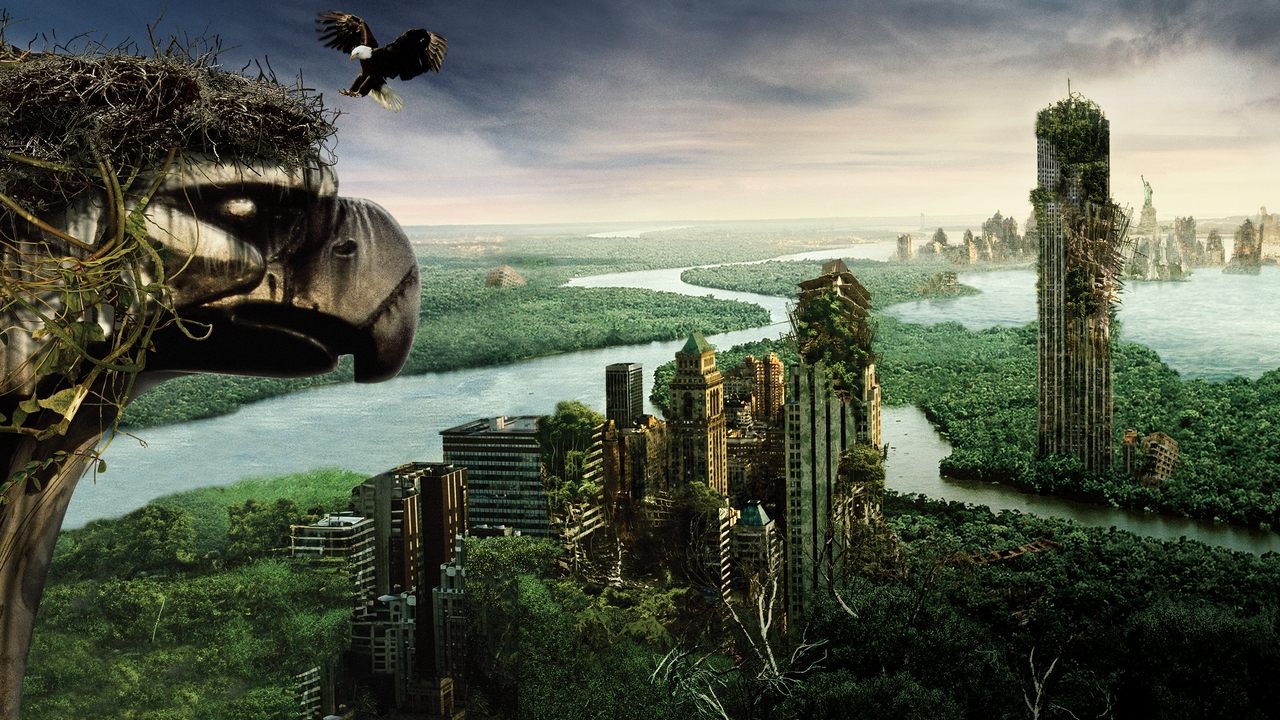 28 episodes
 3 episodes
 10 episodes
 6 episodes
 24 episodes
 5 episodes
Technology
See all (16) 6 episodes
 12 episodes
 4 episodes
 9 episodes
 6 episodes
 6 episodes
History
See all (21)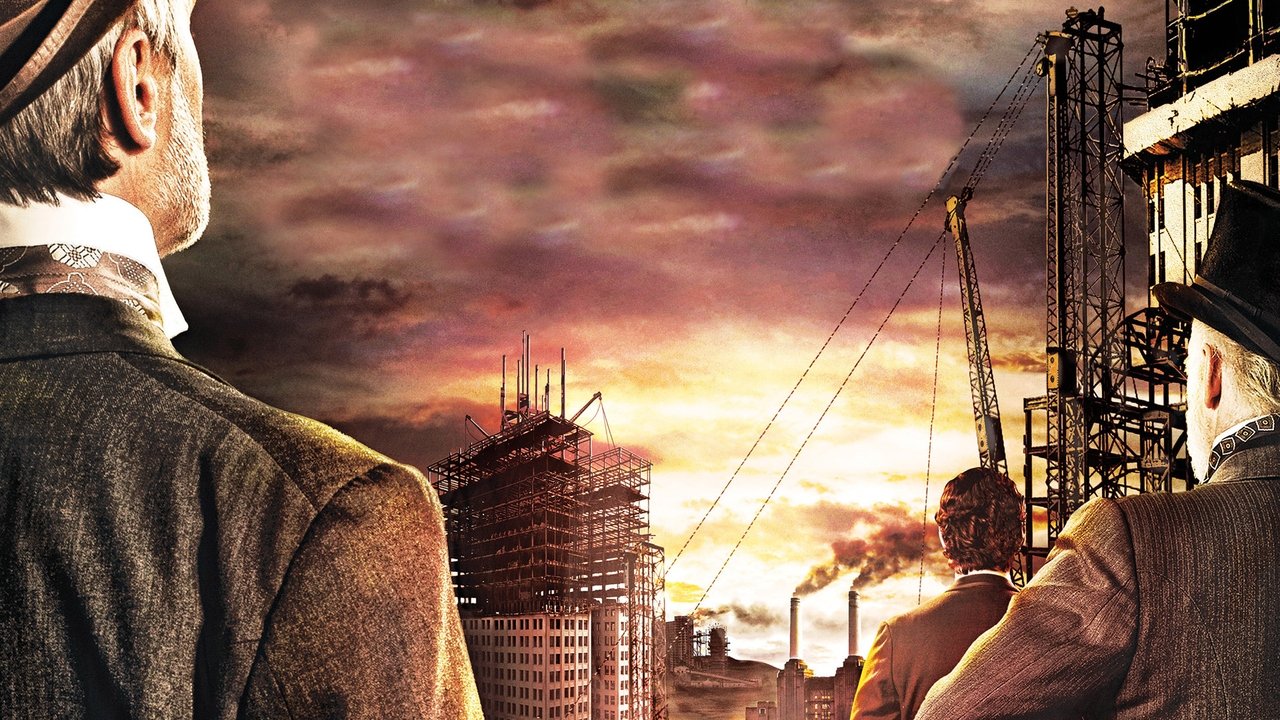 4 episodesThe Men Who Built America2012 · ★ 8.0
 20 episodesHistory 1012020 · ★ 7.1
 9 episodesBaseball1994 · ★ 7.5
 10 episodesJazz2001 · ★ 7.4
 3 episodesPompeii: Out of Time with Tom Hiddleston2026 · ★ 7.5
 2 episodesThe Dust Bowl2012 · ★ 7.9
 8 episodesCountry Music2019 · ★ 7.3
 49 episodesLost Treasures of Egypt2019 · ★ 7.4
Travel and food
See all (18) 16 episodesDown to Earth with Zac Efron2020 · ★ 7.7
 34 episodesChef's Table2015 · ★ 7.7
 15 episodesJames May: Our Man in…2020 · ★ 7.5
 6 episodesStreet Food: Latin America2020 · ★ 7.1
 11 episodesLong Way Up2020 · ★ 7.5
 6 episodesLong Way Down2007 · ★ 8.1
 23 episodesThe Reluctant Traveller with Eugene Levy2023 · ★ 7.5
 56 episodesTravel Man: 48 Hours in...2015 · ★ 6.4
Culture
See all (32) 6 episodesInto the Unknown: Making Frozen II2020 · ★ 7.0
 4 episodesBeckham2023 · ★ 8.0
 14 episodesThe Movies That Made Us2019 · ★ 7.3
 11 episodesDisney Gallery / Star Wars: The Mandalorian2020 · ★ 7.4
 15 episodesThe Story of Film: An Odyssey2011 · ★ 7.7
 22 episodesThe World According to Jeff Goldblum2019 · ★ 6.6
 6 episodesJames Cameron's Story of Science Fiction2018 · ★ 6.8
 6 episodesThe Movies2019 · ★ 6.6
The DocumentaryArea guide to the best documentary series
DocumentaryArea: documentary series on nature, space, science and history, from Planet Earth, Cosmos and Blue Planet II to Prehistoric Planet, The Last Dance and Chef's Table
A great documentary series changes the way you look out of the window. After an hour with a camera crew in the canopy of a rainforest, a garden hedge seems busier. After an evening among the moons of Saturn, the night sky feels closer. DocumentaryArea is a guide to series of that kind. It gathers 156 documentary series made between 1969 and 2026, 236 seasons and 1,580 episodes in all, and gives each one a page with its summary, its narrator or presenter, its rating, every episode listed by season, and a button that leads to the official services where it can be watched.
The catalogue was chosen by hand, one series at a time, with a household audience in mind. Wildlife and the living planet make up the largest subject with sixty-one series. Thirty-two concern culture in its widest sense, from painting and film to music, games and sport. Twenty-one are histories, eighteen are journeys or studies of food, sixteen deal with technology, fifteen with science, ten with space and nine with dinosaurs and the deep past. A separate shelf brings together the thirty series presented or narrated by David Attenborough.
Most of these series are short. One hundred and twenty-one of the 156 run for a single season, often of five or six episodes, so a complete series fits comfortably into a week of evenings. A few are generous companions for a whole winter: Travel Man: 48 Hours in... has fifty-six episodes, Drain the Oceans fifty-five and Meerkat Manor fifty-two.
This guide follows the order of the subject buttons at the top of every page. It begins with how the site works, then visits each subject in turn, and ends with questions and answers. Newcomers will find the essentials on the short page called how to watch with DocumentaryArea.
How DocumentaryArea works
The design is deliberately plain, so that the pictures do the talking. A dark grey band across the top carries the name in thin white letters with a single line beneath it. Under the band, on a white page, a centred row of steel-blue buttons names the subjects: Series, Nature, Science, Space, History, Technology, Culture, Travel, the A-Z index and My List. Each button turns bright blue under the pointer. A search field sits just below.
The home page then presents one featured series with a wide still and its summary, followed by ten sliding rows. The first, Most watched, holds the series with the most votes from viewers around the world; the others follow the subjects, from Nature and Oceans and ice to Travel and food and Culture. Every tile is a wide still from the series itself, with the number of episodes in its corner and the title, year and rating beneath. The See all link on the right of each dark heading shows the size of the full shelf.
Open a series and its page tells you what you need before you commit an evening to it. At the top are the title, the year it first aired, the number of seasons and episodes, and the rating out of ten. A summary follows, then the names of the people on screen or at the microphone, each a link to their other series on DocumentaryArea. Below that, every season unfolds into its list of episodes with titles and air dates, so you can see at a glance that the third episode of Planet Earth II is the one about jungles, or find the part of Cosmos that deals with the age of the Earth.
The Watch now button stands beside a menu of fifteen countries. Pick yours, press the button, and JustWatch opens with the subscription, rental, purchase and free services that carry the series there. DocumentaryArea is a guide: it describes, sorts and recommends, and the services themselves play the episodes with their own picture quality, subtitles and accounts.
The search field understands titles, people, years and subjects. Type Attenborough and thirty series appear. Type Brian Cox and you receive his four. Type a season and an episode number after a title and the result goes straight to that episode. The page on finding titles lists every route, and the My List page explains the personal shortlist, which is kept in your own browser on your own device and can be saved to a file from the list page.
Nature: sixty-one series
Natural history is the heart of DocumentaryArea, and the best of it is among the finest television ever made. The modern era begins with Planet Earth in 2006. Its eleven episodes, each devoted to one kind of habitat, from mountains and caves to deserts and the deep ocean, were filmed over several years in high definition, with cameras steadied on helicopters to follow animals from far above. The result showed familiar creatures as audiences had rarely seen them, and it holds a rating of 8.6 from well over a thousand voters.
Ten years later Planet Earth II brought the camera down to eye level. Lightweight equipment and drones allowed the crews to run alongside their subjects, and one sequence, in which newly hatched marine iguanas race across a beach in the Galápagos past waiting snakes, became one of the most shared pieces of wildlife film in history. Hans Zimmer contributed the main theme. Planet Earth III completed the set in 2023 with eight episodes that look as closely at change as at wilderness.
Between and around those three stand many more. Our Planet, made for streaming by several of the same film-makers, covers the globe in twelve episodes and speaks plainly about how habitats depend on one another. Seven Worlds, One Planet gives one episode to each continent. Life spends ten episodes on the extraordinary strategies animals and plants use to survive. Africa travels from the Kalahari to the Sahara in six parts, Wild China explores a country of immense variety, and Wild Isles turns the same patient attention on the coasts, woods and rivers of Britain and Ireland.
Some series choose a theme instead of a place. The Hunt studies the contest between predators and prey with unusual sympathy for both sides, since most chases end with the prey escaping. A Perfect Planet explains how volcanoes, sunlight, weather and ocean currents make life possible, and holds a rating of 8.7. The Green Planet, rated 8.8, uses time-lapse and robotic cameras to reveal plants as active, competitive, even cunning beings. Nature's Great Events follows six annual spectacles, among them the great melt of the Arctic and the flooding of the Okavango.
A newer fashion is the animal biography. Dynasties devotes each episode to a single family, a troop of chimpanzees in Senegal, a colony of emperor penguins, a pride of lions, a pack of painted wolves, a tigress and her cubs, and follows it for years. Chimp Empire, narrated by Mahershala Ali, lives among the largest known group of chimpanzees in a Ugandan forest. Meerkat Manor did something similar on a smaller scale, turning a family of Kalahari meerkats into the stars of a long-running saga.
The small and the nocturnal have their own series. Tiny World, narrated by Paul Rudd, and A Real Bug's Life, narrated by Awkwafina, shrink the camera to the height of a mouse or a beetle. Life in the Undergrowth and Micro Monsters with David Attenborough do the same for insects and spiders. Night on Earth and Earth at Night in Colour, the second narrated by Tom Hiddleston, use cameras sensitive enough to film by moonlight, and show the dark hours to be as busy as the day. The nature guide sorts the full shelf into landmarks, small worlds and family sagas.
Oceans and ice: twelve series
Water covers most of the planet and holds its least known wildlife, so the sea has always drawn the boldest film-makers. The Blue Planet of 2001 was the first series to survey the oceans as a whole, from sunlit reefs to the black plains of the abyss, and its eight episodes included animals filmed for the very first time. Blue Planet II returned in 2017 with new submersibles and new science: fish that use tools, dolphins that surf for pleasure, an octopus that armours itself with shells. Its closing episode, on the state of the seas, changed how many viewers think about plastic. Both series hold ratings above 8.3.
The polar regions are the subject of Frozen Planet and Frozen Planet II, which follow a year at each end of the Earth and, in the second series, the other frozen places of the world, from high mountains to winter forests. Secrets of the Penguins, narrated by Blake Lively, spends three episodes with the birds that make their living there.
A group of recent series looks closely at single kinds of sea creature. Secrets of the Whales, narrated by Sigourney Weaver with James Cameron as executive producer, shows that orcas, humpbacks, belugas and sperm whales pass skills and customs from one generation to the next. Secrets of the Octopus, narrated by Paul Rudd, makes a persuasive case for the intelligence of an animal with nine brains. Our Oceans, narrated by Barack Obama, takes one ocean per episode, while South Pacific, Galapagos and Great Barrier Reef with David Attenborough each explore one remarkable region. Drain the Oceans approaches the sea as a historian would, using sonar data to picture shipwrecks and drowned landscapes as if the water had been pumped away. The oceans and ice guide covers all twelve.
Dinosaurs and prehistory: nine series
Children love dinosaurs, and so, it turns out, do special-effects artists. Nine series on DocumentaryArea recreate vanished worlds, and comparing them shows how quickly both the science and the craft have moved. The original Walking with Dinosaurs, broadcast in 1999 with Kenneth Branagh as narrator, was the first to present extinct animals in the style of a wildlife film, as if a camera crew had simply been there. Its six episodes caused a sensation, and its companions followed: The Ballad of Big Al, which tells the life of a single Allosaurus reconstructed from a real skeleton, and Walking with Beasts, which continues the story into the age of mammals. A new series under the original name arrived in 2025.
Planet Dinosaur, narrated by John Hurt, took account of a decade of discoveries in 2011, feathers included. Prehistoric Planet is the current standard: fifteen episodes of astonishing realism, produced with the natural history unit behind the great wildlife series and the visual effects team of a major film studio, with music by Hans Zimmer. David Attenborough narrates its dinosaur seasons, and the animals court, nurse their young and squabble as living creatures do.
Life on Our Planet, narrated by Morgan Freeman, attempts the whole four-billion-year story in eight episodes, and David Attenborough's Rise of Animals: Triumph of the Vertebrates traces the line that leads from the first backboned fish to ourselves. The dinosaurs and prehistory guide sets them in order.
Space: ten series
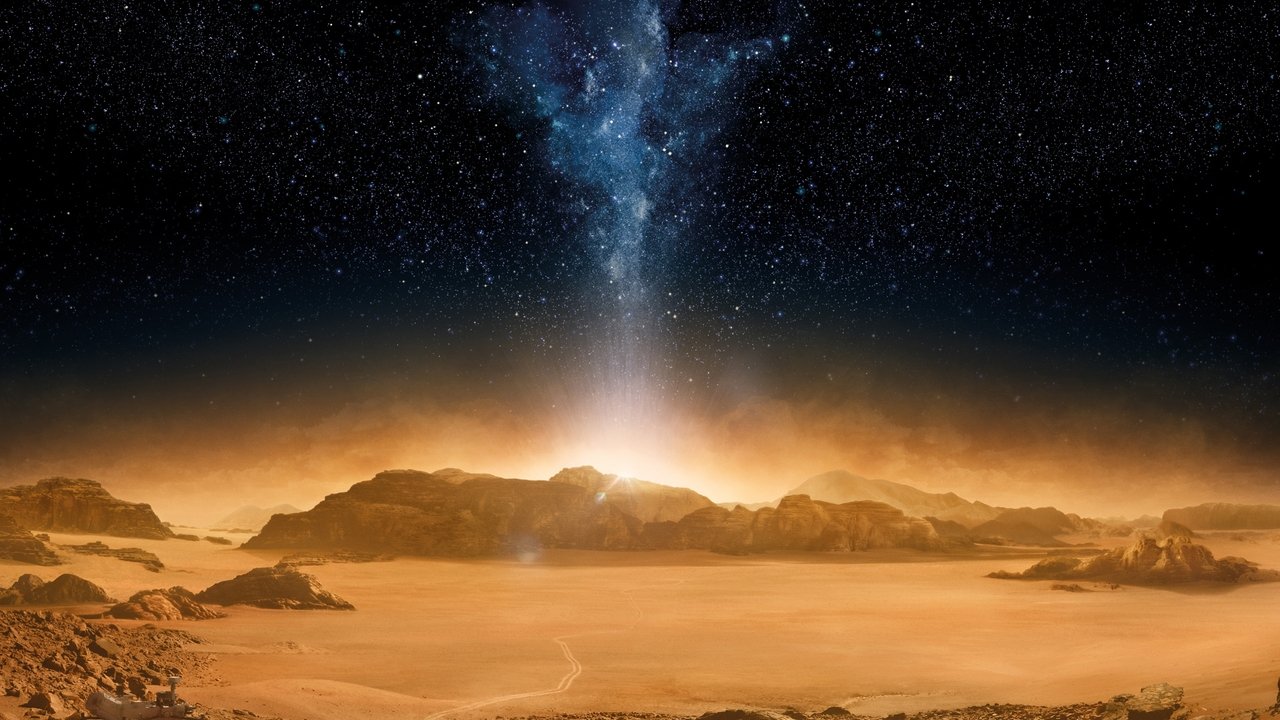
Two series share one name and one spirit. Cosmos: A Personal Voyage, written and presented by the astronomer Carl Sagan in 1980, set out in thirteen episodes to explain the universe and our place in it to anyone willing to listen. Sagan's calm voice, his ship of the imagination and his gift for the telling comparison made it one of the most watched series in the history of public television, and it holds a rating of 8.7 more than forty years on. In 2014 the astrophysicist Neil deGrasse Tyson, who had met Sagan as a schoolboy, presented a successor, Cosmos, which is the most popular title on DocumentaryArea. Its twenty-six episodes combine new imagery with animated stories of the men and women who made the great discoveries.
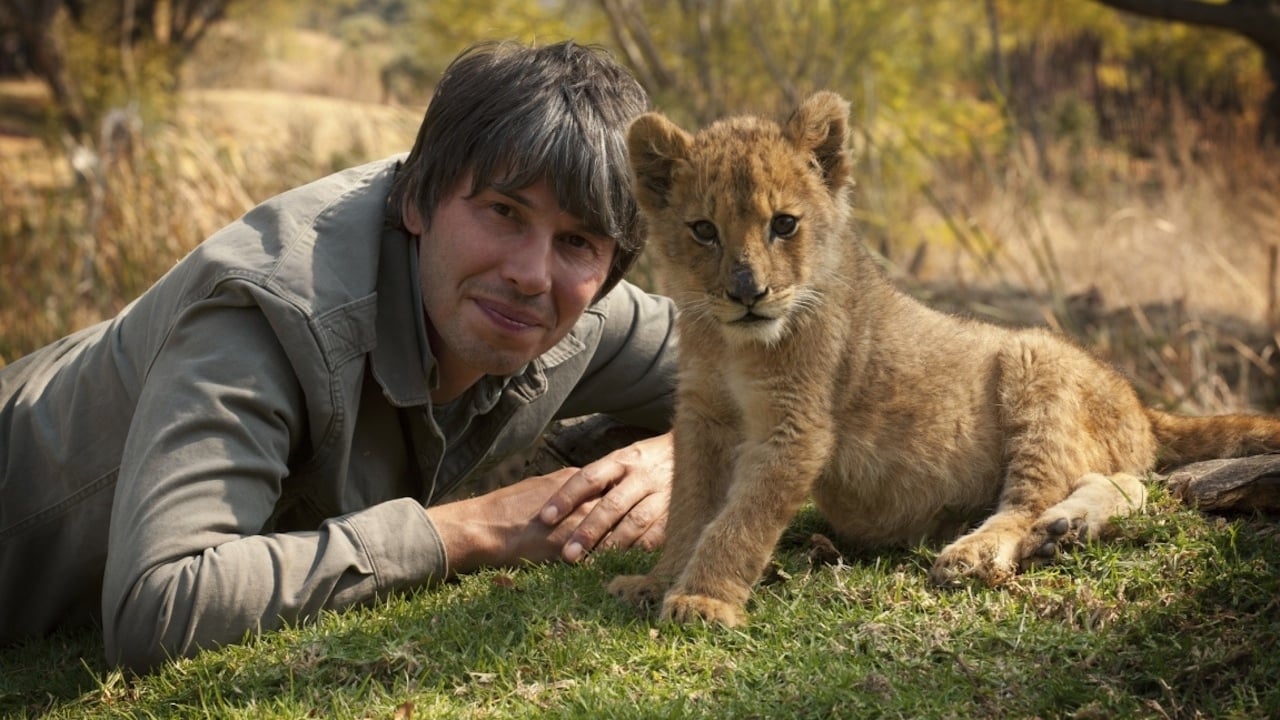
The British physicist Brian Cox is the other great explainer on the shelf. In Wonders of the Universe he uses a sandcastle in the Namib desert to illustrate the arrow of time. The Planets tells the history of the solar system as a drama in five acts, one for each family of worlds, and Universe turns to stars, galaxies and black holes. He also appears on the Science shelf with Wonders of Life.
For the human story of spaceflight there is When We Left Earth: The NASA Missions, built from the agency's own restored film and the recollections of the astronauts, from the first Mercury flights to the space shuttle. One Strange Rock, hosted by Will Smith, asks eight astronauts what they learned about the Earth by leaving it. Our Universe, narrated by Morgan Freeman, links events in deep space to the lives of animals on the ground, and Alien Worlds invites biologists to imagine how life might evolve on other planets. The space guide suggests an order of viewing.
Science: fifteen series
The Science shelf turns the camera on ourselves. The Human Body, presented by Robert Winston in 1998, follows a life from conception to old age in seven episodes and remains a model of clear explanation. The Incredible Human Journey, with the anatomist Alice Roberts, traces how our species spread from Africa across every continent. Origins: The Journey of Humankind picks out the turning points, fire, medicine, money, communication, that made the modern world.
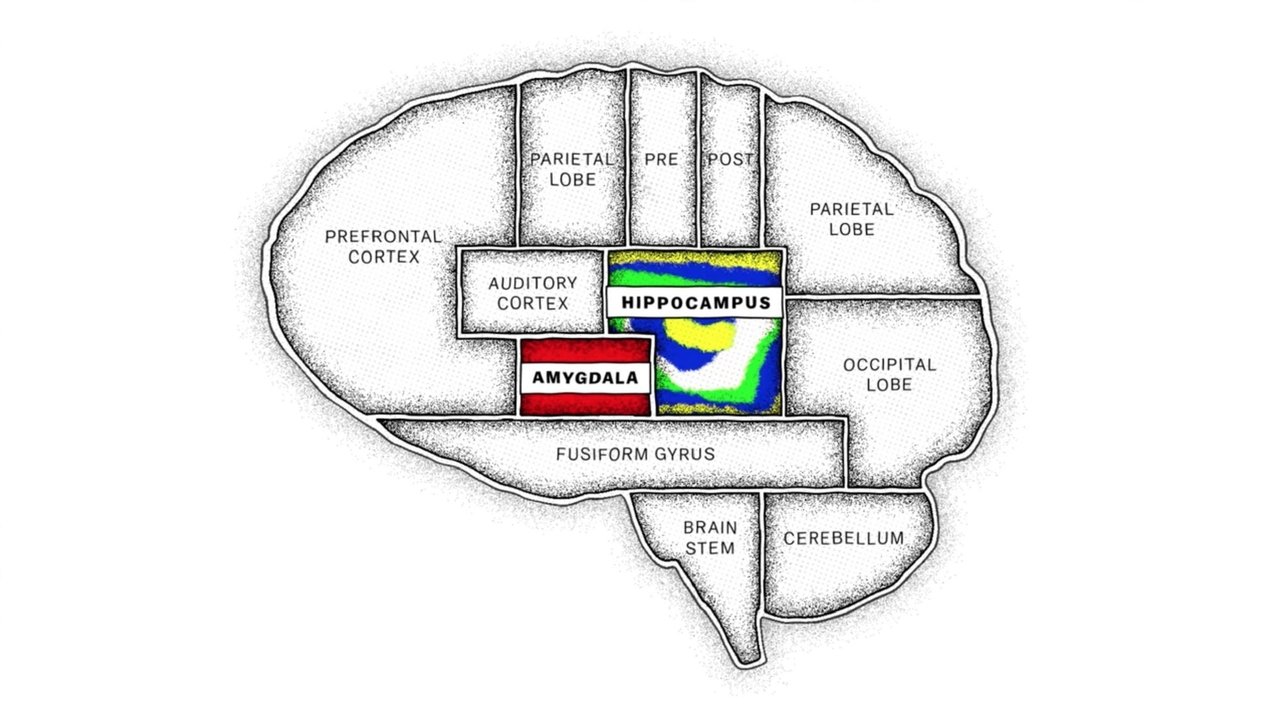
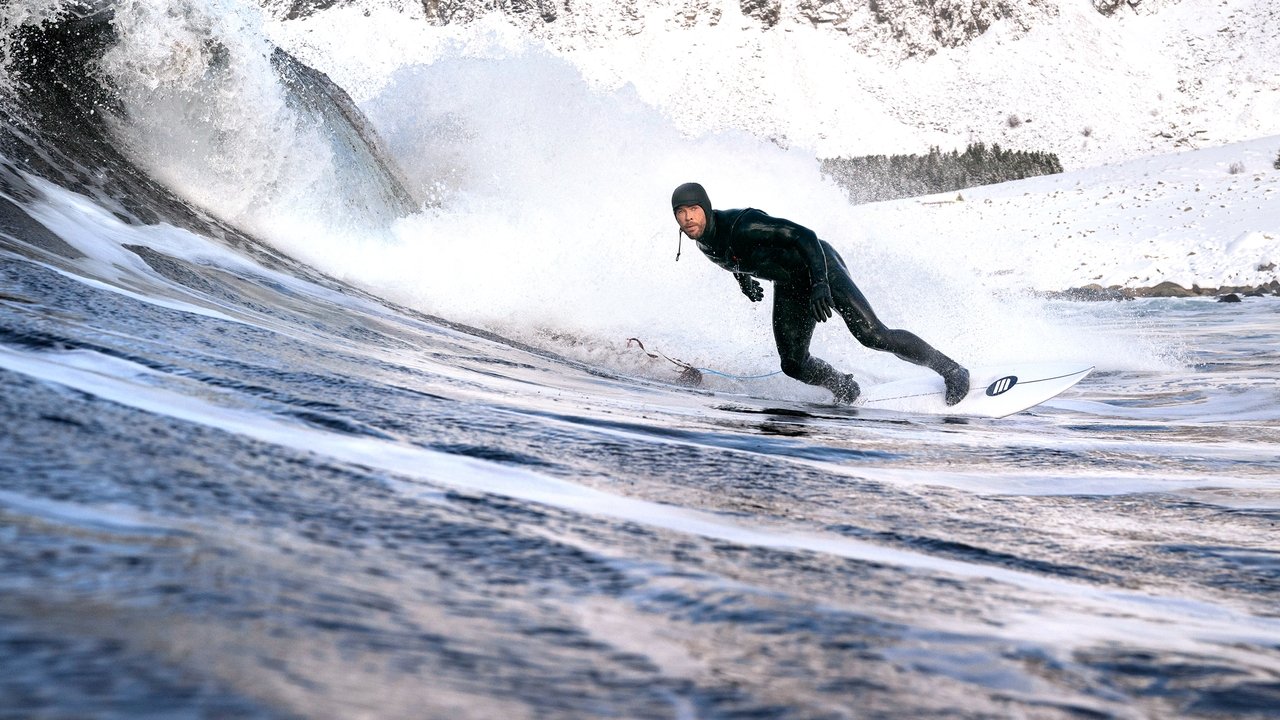
The workings of the mind are the subject of two very different series. The Mind, Explained, narrated in its first season by Emma Stone, takes one topic per short episode: memory, dreams, attention, creativity. Mind Field, presented by Michael Stevens, runs real experiments, some of them on the presenter himself, to test what psychology claims about isolation, conformity and choice; it holds a rating of 8.2. Limitless with Chris Hemsworth sends the actor through six physical and mental challenges designed by researchers who study how people can stay healthy for longer.
Elsewhere on the shelf, Shock and Awe: The Story of Electricity has the physicist Jim Al-Khalili retell three centuries of discovery with working replicas of the original apparatus. Wonders of Life asks what physics can say about living things. Life After People: The Series imagines, building by building, what would become of our cities if their caretakers were suddenly gone, and Wallace & Gromit's World of Invention lets the famous plasticine pair introduce real inventors and their contraptions. The science guide groups the shelf by question.
More from the natural world
Beyond the landmark surveys lies a second rank of nature series that are every bit as rewarding and often easier to fit into a busy week. Human Planet has already been mentioned; its natural partner is Great Migrations, narrated by Alec Baldwin, which follows wildebeest, monarch butterflies, red crabs and sperm whales on the journeys that define their lives. Hostile Planet, hosted by the adventurer Bear Grylls, visits the harshest habitats on Earth and admires the animals tough enough to live there. Life Story follows the stages of a life from first steps to parenthood, with a different species at each stage.
Several recent series make a single group of animals their subject. Secrets of the Elephants, narrated by Natalie Portman, travels from the savannah to the desert and the forests of Asia to show how differently elephant families behave from place to place. Big Beasts celebrates the largest creatures on land and sea, and The Secret Lives of Animals gathers ten episodes of surprising behaviour from seventy-seven species filmed in twenty-four countries. Born to Be Wild follows young endangered animals raised by keepers and prepared for a return to their natural homes, a hopeful series rated 8.5.
Sound has become a subject in its own right. Earthsounds, rated 8.8, uses new recording techniques to let the viewer hear what a forest, a reef or a snowfield actually sounds like, from the hum of a beehive to the songs of seals under the ice, and Secret World of Sound explains how animals use calls, rhythms and silence to find mates and avoid danger. For the end of a long day there is A World of Calm, ten gentle half-hours of slow images and soft narration designed to help the viewer unwind.
Whole landscapes are the heroes of Eden: Untamed Planet, which visits six regions still largely untouched by people, and of Our Great National Parks, which tours protected lands on five continents. Earth, presented by the naturalist Chris Packham, tells the history of the planet itself in five dramatic chapters, from a world frozen from pole to pole to the arrival of the first forests, and Our Living World, narrated by Cate Blanchett, shows how a salmon run in Canada can feed a forest and how rain in one country begins as breath from the trees of another.
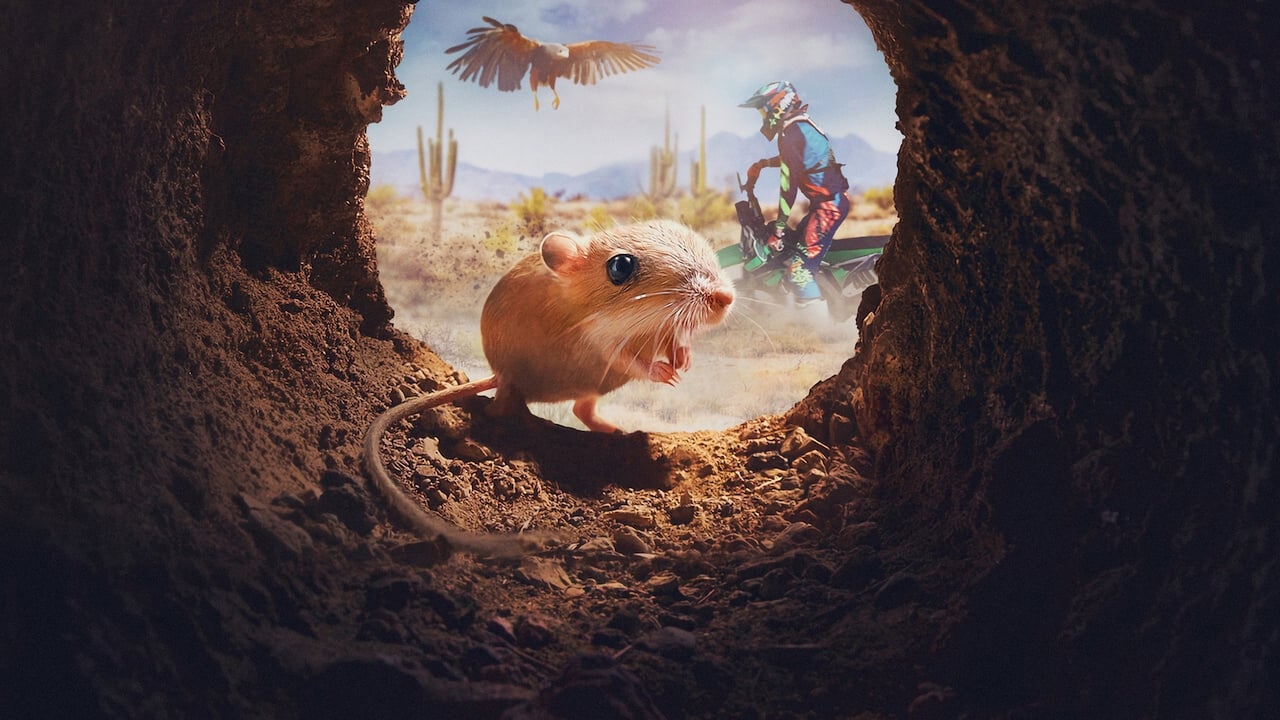
Islands and archipelagos make natural laboratories, and two compact series show why. Galapagos, narrated by Tilda Swinton, explains in three episodes how a scatter of young volcanoes on the equator came to hold giant tortoises, swimming lizards and the finches that set Charles Darwin thinking. South Pacific roams across the widest ocean on Earth, from the coral gardens of Fiji to the forests of New Guinea, and tells how plants, animals and finally people reached islands thousands of kilometres from any continent. Animal, with a different well-known narrator for each episode, gives a full hour to one family of creatures at a time, big cats, dogs, octopuses, bears, and suits viewers who like to stay with a single subject. Tiny Creatures is the lightest of all: short adventure stories starring a kangaroo rat, a duckling or a hedgehog, filmed with real animals on carefully built sets. Each of its eight episodes lasts under half an hour, a good length for the youngest members of the audience before bed.
How these series are made
Part of the pleasure of a modern documentary series is knowing what it took to film. A landmark wildlife production can occupy several hundred people for four years or more. Crews spend weeks in a hide to record a courtship display that lasts ninety seconds. A single shot of a snow leopard may be the reward for a whole winter on a mountainside. Many series end each episode with a short diary showing how one sequence was captured, and these are often as gripping as the main film.
Each generation of series has been shaped by a new tool. The stabilised helicopter camera gave Planet Earth its sweeping aerial views. Miniature cameras and drones put Planet Earth II among the animals. Cameras able to film by starlight made Night on Earth possible, time-lapse rigs that move as they shoot gave The Green Planet its restless plants, and deep-diving submersibles carried the makers of Blue Planet II a kilometre below the surface. In the prehistoric series the tool is the computer, guided by palaeontologists who check every feather and footfall against the fossil record.
History and science series have their own crafts. Ken Burns and his team may spend ten years gathering photographs, letters and film for a single production, and choose actors to read the words of people long gone. Presenters such as Brian Cox and Alice Roberts write their own scripts and travel to the places where discoveries were made, so that an idea is always tied to a landscape. Knowing a little of this makes each series richer, and the summary on every page of DocumentaryArea gives the essentials of who made it and how.
Technology: sixteen series
Sixteen series tell the stories of machines and the people who dreamed them up. The oldest subject is construction. Engineering an Empire, presented by the actor and historian Peter Weller, shows in fourteen episodes how the Romans, the Egyptians, the Greeks, the Maya and others built aqueducts, pyramids, harbours and roads that still stand. American Genius dramatises eight famous rivalries between inventors, among them the race to light the world's cities and the contest to put the first aeroplane in the air.
The newest subject is the computer in the living room. High Score revisits the golden age of video games through the programmers, artists and champion players of the 1980s and 1990s, with affectionate pixel-art animation. Power On: The Story of Xbox recounts in six parts how a small team inside a software company persuaded their employer to build a games console; it is rated 8.6. The Toys That Made Us does the same for the playthings of several generations, each episode devoted to one famous line of toys and the designers behind it.
Cinema's engineers have a series of their own. LIGHT & MAGIC, directed by the screenwriter Lawrence Kasdan, is the history of the visual effects company founded in a California warehouse in 1975 to make the first Star Wars film, told by the model makers and computer scientists who worked there. The Imagineering Story chronicles the designers of the Disney theme parks across six decades, and Behind the Attraction explains individual rides. Brawn: The Impossible Formula 1 Story, presented by Keanu Reeves, follows the motor-racing team that was bought for a single pound and won the world championship in its only season.
Two series look ahead. The Age of A.I., hosted by Robert Downey Jr., meets researchers applying machine learning to medicine, farming and the arts, and Year Million asks futurists what human life might be like in the very distant future. The technology guide lists all sixteen.
History: twenty-one series
The history shelf begins with a monument. Civilisation, written and presented by the art historian Kenneth Clark, was broadcast in 1969 and is the oldest series on DocumentaryArea. In thirteen episodes, filmed in colour on location across Europe, Clark argued that the buildings, paintings, music and ideas of the West from the Dark Ages to the twentieth century form a single story. It established the pattern of the authored documentary series, one expert speaking directly to the camera, that many of the titles in this guide still follow. Nearly fifty years later Civilisations, with Simon Schama, Mary Beard and David Olusoga, widened the view to the art of the whole world.
The American film-maker Ken Burns has made the slow pan across an old photograph into a language of its own, and eight of his productions are here. The West tells the story of the lands beyond the Mississippi in nine episodes and holds a rating of 8.4. The National Parks: America's Best Idea explains how Yellowstone, Yosemite and their successors came to be protected. Lewis & Clark - The Journey of the Corps of Discovery follows the expedition of 1804 to the Pacific, and The Dust Bowl records the great drought of the 1930s through the memories of those who lived through it as children. Baseball, Jazz and Country Music treat three American passions as windows on the nation's history, and the recent Leonardo da Vinci takes the same method to Renaissance Italy.
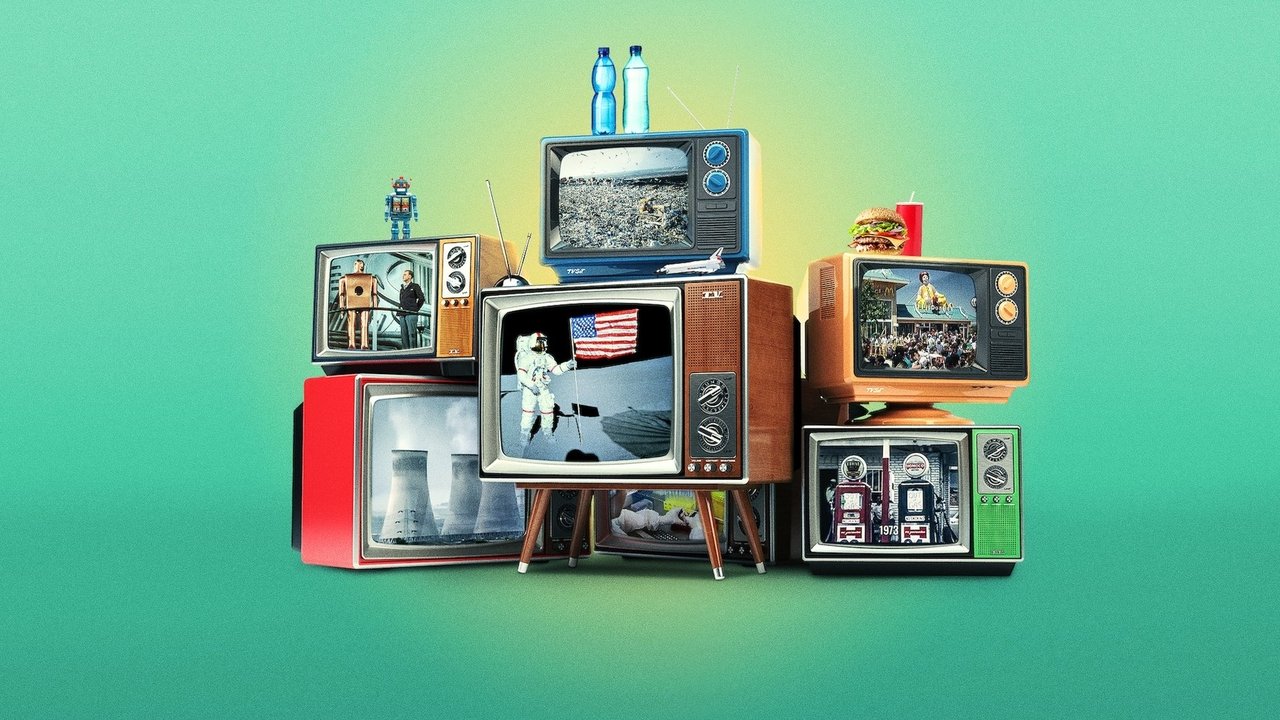
Britain has A History of Britain, fifteen episodes written and presented by Simon Schama, from the stone villages of Orkney to the twentieth century. The ancient world is represented by Lost Treasures of Egypt, which accompanies teams of archaeologists through several digging seasons, and by Pompeii: Out of Time with Tom Hiddleston, one of the newest series in the catalogue. Mankind: The Story of All of Us attempts all of human history in twelve brisk episodes, History 101 offers short illustrated lessons on subjects from fast food to the space race, and The Men Who Built America portrays the railway, oil, steel and motor-car magnates who made the United States an industrial power. The history guide arranges the shelf by period.
Travel and food: eighteen series
A travel series succeeds when you would happily share a long journey with its host, and the hosts on this shelf are excellent company. Michael Palin set the standard in 1989 with Michael Palin: Around the World in 80 Days, in which he tried to match the fictional journey of Phileas Fogg using only ships, trains and whatever else stayed on the surface of the Earth. Seven episodes later he reached London with hours to spare, and a new career.
The actor Ewan McGregor and his friend Charley Boorman have made a habit of very long motorcycle rides. Long Way Down takes them from the northern tip of Scotland to Cape Town, Long Way Up from the southern tip of Argentina to Los Angeles on electric motorcycles, and Long Way Home on a loop through Scandinavia and the Baltic on vintage machines. The pleasure lies in their friendship, the breakdowns and the people they meet at the roadside.
Other travellers bring their own temperaments. James May: Our Man in… sends the unhurried presenter through Japan, Italy and India with a notebook and a sense of humour. The Reluctant Traveller with Eugene Levy turns a comedian who prefers his own armchair into a convert to adventure. Travel Man: 48 Hours in... races through a city break in each episode. Departures follows two Canadian friends who take a year away from home, and Europe from Above shows the continent's cities, farms and coastlines from the air. For the truly bold, Edge of the Unknown with Jimmy Chin hears from climbers, surfers and skiers about the days that tested them most.
Food is the other reason to travel. Chef's Table gives each episode to one cook somewhere in the world, filmed with the care usually reserved for nature, and thirty-four episodes are listed here. Street Food: Latin America visits market stalls from Buenos Aires to Oaxaca. Tucci in Italy accompanies the actor Stanley Tucci from region to region in search of the dishes his family came from, and Down to Earth with Zac Efron combines travel with a search for healthy, sustainable ways to live. The travel and food guide pairs journeys with kitchens.
Culture: thirty-two series
Culture is the broadest shelf, and it holds some of the most purely enjoyable series on the site. Sport comes first for many viewers. The Last Dance is the second most popular title on DocumentaryArea: ten episodes on Michael Jordan and the Chicago Bulls, built around film shot behind the scenes during the 1997 to 1998 season, when the team pursued a sixth championship knowing it would be the last together. Jordan, his team-mates and his rivals speak with remarkable candour, and the series holds a rating of 8.3. Beckham follows the English footballer from a London park to the greatest clubs in the world, with good humour from both him and his wife Victoria.
Music has a masterpiece of its own. The Beatles: Get Back, assembled by the director Peter Jackson from more than sixty hours of film shot in January 1969, lets the viewer sit in the room while four friends write, rehearse and record an album in three weeks, and then climb to the roof of their office building to play in public for the last time. To watch a famous song take shape from a few strummed chords is a rare privilege. Soundbreaking tells the history of recorded music from the studio side of the glass, Watch the Sound with Mark Ronson explains the tools of the modern producer, and Song Exploder asks musicians to take one song apart, layer by layer.
Film lovers are well served. The Story of Film: An Odyssey, written and narrated by the critic Mark Cousins, is a fifteen-part history of world cinema that gives as much attention to Senegal, Iran and Japan as to California. Hollywood, made in 1980 and narrated by James Mason, records the memories of the stars, directors and camera operators of the silent era while they were still alive to share them; it is rated 8.4. The Movies That Made Us recounts with great affection how several much-loved films of the 1980s and 1990s nearly failed to get made, and 100 Years of Warner Bros., narrated by Morgan Freeman, marks a studio's centenary. Making-of series include Into the Unknown: Making Frozen II, Inside Pixar and Prop Culture, whose host tracks down the original props from classic family films.
The fine arts are represented by Simon Schama's Power of Art, eight episodes on eight artists at a moment of crisis, from Caravaggio to Rothko, each told as a drama. Home visits remarkable houses and the people who designed them, and The World According to Jeff Goldblum lets a famously curious actor investigate the history and science behind everyday things such as trainers, ice cream and bicycles. The culture guide divides the shelf into art, film, music and sport.
David Attenborough: thirty series
One voice runs through the catalogue. David Attenborough joined British television in the early 1950s, and thirty of the series on DocumentaryArea carry his name as presenter or narrator. A shelf of their own lets you follow a career that spans the entire history of the wildlife film.
The foundation is the Life series. Life on Earth, broadcast in 1979, told the story of evolution in thirteen episodes filmed at more than a hundred locations around the world, and its sequence of the presenter sitting quietly among mountain gorillas in Rwanda is among the most famous in television. It is the highest rated title on the site at 9.1. He went on to treat animal behaviour in Trials of Life, birds in The Life of Birds, mammals in The Life of Mammals, and insects and their relatives in Life in the Undergrowth, each time taking advantage of cameras that could see a little more than before.
From 2001 onward he became the narrator of the great survey series described above, from The Blue Planet and Planet Earth to Frozen Planet, Africa, Dynasties and Seven Worlds, One Planet. In his nineties he was still at work: Wild Isles in 2023 found him on a clifftop among puffins, Mammals followed in 2024 and Kingdom in 2025. Smaller projects reveal his enthusiasms, among them David Attenborough's Natural Curiosities, on nature's oddities, and Secret World of Sound, on how animals hear and call. The David Attenborough guide lists the thirty in order.
Narrators and presenters
A documentary lives or dies by its voice, and producers now invite some of the best-known actors in the world to the microphone. Tom Hiddleston is the most frequent after Attenborough, heard in Earth at Night in Colour, Earthsounds, Big Beasts and the Ice Age season of Prehistoric Planet, and seen on screen among the ruins in his Pompeii series. Benedict Cumberbatch narrates South Pacific and Super/Natural. Morgan Freeman lends his unmistakable bass to Life on Our Planet and Our Universe, Cate Blanchett narrates Our Living World, Helena Bonham Carter Eden: Untamed Planet, Hugh Bonneville The Secret Lives of Animals and Born to Be Wild, and Ryan Reynolds brings his wit to the overlooked creatures of Underdogs.
Will Smith has made a second career as an explorer on camera. In Welcome to Earth he descends into a volcano and dives to the ocean floor with scientists as his guides, and in Pole to Pole with Will Smith, released in 2026, he travels from one end of the planet to the other. Barack Obama narrates two series on protected places, Our Great National Parks and Our Oceans.
Then there are the scholars who present their own work: Carl Sagan, Neil deGrasse Tyson and Brian Cox on the universe, Simon Schama on art and British history, Alice Roberts on human origins, Kenneth Clark on civilisation. Every name on a series page is a link, and the guide to narrators and presenters offers a place to begin with each.
The top rated shelf
Thirty-five series hold a rating of 8.0 or higher from at least fifty voters, and they form the Top rated shelf. Life on Earth leads at 9.1. The Green Planet follows at 8.8, then A Perfect Planet and Cosmos: A Personal Voyage at 8.7. Four series share 8.6: Planet Earth, Planet Earth II, Planet Earth III and Blue Planet II. Our Planet, Seven Worlds, One Planet and Cosmos stand at 8.5.
At 8.4 come Life, Frozen Planet, Frozen Planet II and The Blue Planet, and at 8.3 Prehistoric Planet, Human Planet, Africa, Dynasties, The Hunt and The Planets. Natural history dominates, but it shares the shelf with The Last Dance, The West, Mind Field, Long Way Down, Limitless with Chris Hemsworth and The Imagineering Story. Human Planet, narrated by John Hurt, deserves a special word: its eight episodes show how people have learned to live in every environment on Earth, from the Arctic ice to the rooftops of great cities.
A rating is an average of many opinions, and a newer series with fewer votes may be every bit as good as an established favourite. The top rated guide points to a few that deserve a wider audience.
Six decades of documentary
The catalogue spans fifty-seven years, and the dates tell a story about the form itself. Only five series come from before 1990: Civilisation, Life on Earth, Cosmos: A Personal Voyage, Hollywood and Michael Palin's journey of 1989. These were events, made by public broadcasters at great expense and watched by whole nations on the same evening. Seven series date from the 1990s and twenty-three from the first decade of this century, when high-definition cameras transformed the look of the wildlife film.
The great expansion came with streaming. Fifty-two series date from the 2010s and sixty-nine from the years since 2020, so that nearly half the catalogue is less than seven years old. The new services discovered that a beautifully made documentary travels to every country and stays fresh for years, and they commissioned accordingly, often from the same specialist companies in Bristol and London that had served the public broadcasters. The newest titles on DocumentaryArea, among them Pole to Pole with Will Smith and the Pompeii series, are dated 2026.
Planning what to watch
Because most of these series are short, they suit almost any routine. An episode usually runs for between forty and sixty minutes. A six-part series such as Planet Earth II, Africa or The Hunt fills a week with one evening to spare; a three-part series such as Galapagos or Secrets of the Octopus fits a single weekend.
Families with young children might begin with the small-scale wonders of Tiny World or the reconstructed giants of Prehistoric Planet, whose episodes are a manageable forty minutes. Older children with a taste for experiments will enjoy Mind Field and Wallace & Gromit's World of Invention. Nature series are honest about the fact that animals hunt one another, and a parent may wish to watch the first episode alongside the youngest viewers. A student of history can follow a year-long course by taking Civilisation, A History of Britain and The West in turn, sixty hours of the best teaching ever broadcast.
For a themed month, pair series across shelves. Watch The Blue Planet and then Drain the Oceans to see the sea first as a habitat and then as an archive. Follow Cosmos: A Personal Voyage with Cosmos and notice how much was learned in the thirty-four years between them. Set The Story of Film: An Odyssey beside LIGHT & MAGIC for the art and then the engineering of cinema. My List keeps each plan in order: add the series as you think of them and remove each one when its last episode is done.
A series page in detail
Take Frozen Planet as an example. The page opens with a wide still of ice under a low sun, the year 2011, one season, seven episodes and a rating of 8.4. The summary explains that the series follows a full year in the Arctic and the Antarctic. David Attenborough is named as narrator, and pressing his name gathers his other twenty-nine series. Below, the single season opens into its seven episodes, each with its title and the date it first aired, beginning with a journey to the ends of the Earth and continuing through spring, summer, autumn and winter. Choose a country in the menu, press the steel-blue Watch now button, and the services carrying the series there are listed with their prices. One more press adds it to My List.
Questions and answers
Questions
What is DocumentaryArea?
DocumentaryArea is a guide to 156 documentary series with 236 seasons and 1,580 episodes. Each series has a page with its summary, narrator, rating and full episode list, and a Watch now button that opens the official services carrying it in your country.
How do I watch a series?
Open the series page, choose your country in the menu beside the Watch now button and press it. JustWatch then lists the subscription, rental, purchase and free services that offer the series where you live.
Which subjects are covered?
Nature with sixty-one series, culture with thirty-two, history with twenty-one, travel and food with eighteen, technology with sixteen, science with fifteen, oceans and ice with twelve, space with ten, and dinosaurs and prehistory with nine. Some series sit on two shelves.
Which series are rated highest?
Life on Earth leads at 9.1, followed by The Green Planet at 8.8, and A Perfect Planet and Cosmos: A Personal Voyage at 8.7. The Top rated shelf lists all thirty-five series at 8.0 or higher.
How many David Attenborough series are there?
Thirty series presented or narrated by David Attenborough are listed, from Life on Earth in 1979 to Kingdom in 2025. They have a shelf of their own.
Are the series suitable for children?
The catalogue was chosen by hand with household viewing in mind. Wildlife series show animals hunting, so parents may like to watch a first episode together with younger children. Each page carries a summary to help you decide.
Can I find a single episode?
Yes. Every series page lists its episodes by season with titles and air dates, and the search field accepts a title followed by a season and episode number.
What is My List?
My List holds the series you plan to see. Your own browser keeps it on your device, each press of the list button updates it at once, and the list page can write a copy to a file.
How old are the series?
The oldest, Civilisation, dates from 1969, and the newest from 2026. Sixty-nine of the 156 were made in 2020 or later.
Where does the information come from?
Stills, ratings, episode lists and production details come from TMDB. The guide on this page and the fifteen help pages are written by the DocumentaryArea editorial team.
